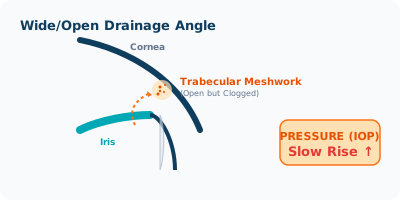
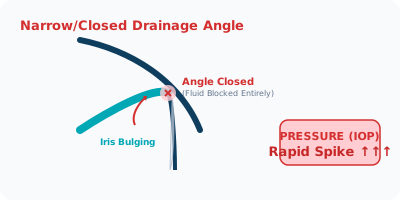
Glaucoma (often known locally as Kachbindu) is a group of eye conditions that damage the optic nerve, which carries visual information from the eye to the brain. This damage is usually caused by abnormally high pressure inside the eye (intraocular pressure or IOP).
Our eyes produce a clear fluid (aqueous humor) that circulates and drains out through a meshwork channel. If this channel is blocked, fluid builds up, elevating pressure inside the eyeball. If left untreated, this high pressure damages the delicate nerve fibers, slowly reducing your peripheral vision. Visual loss from glaucoma is irreversible, making early diagnosis crucial.
Glaucoma presents in two primary forms, each requiring different diagnostic vigilance and treatment speeds.
Gradual, silent, painless peripheral vision loss.
This is the most common form of glaucoma. The drainage channels clog slowly over time, raising eye pressure gradually. Because there is no pain and your central vision remains sharp initially, most patients do not notice any issues. Over years, it silently erodes your peripheral sight, leading to **tunnel vision** or "tubular vision." It is usually detected during routine refractive check-ups.
A medical emergency requiring immediate treatment.
This occurs when the iris bulging forward suddenly blocks the drainage angle entirely. Eye pressure spikes rapidly. Symptoms include sudden, severe eye pain, intense headaches, nausea, vomiting, blurred vision, and seeing **rainbow-colored halos** around lights. If not treated within hours, it can cause permanent vision loss.
Experience how glaucoma silently affects sight. Hover over the cards to see how peripheral vision degrades into restrictive tunnel vision while the center remains clear.
Clear, full peripheral field of view enabling full environmental awareness and safe spatial navigation.
Advanced stage peripheral vision loss. Hover over this card to simulate how the visual field constricts even further under elevated pressure.
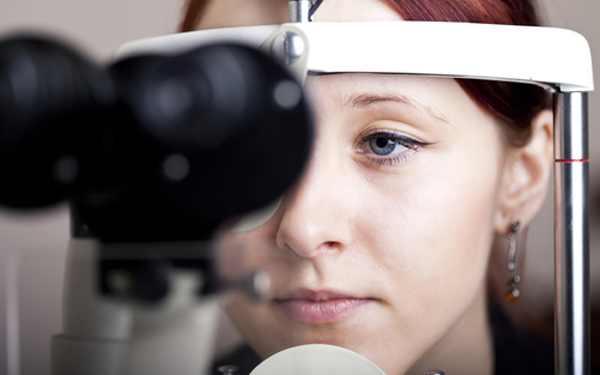
Because chronic glaucoma has no early warning signs, we perform comprehensive glaucoma screenings during eye examinations. Our diagnostic protocols include:
While lost vision cannot be restored, glaucoma can be managed to prevent further damage. Our treatments focus on lowering intraocular pressure:
If you are over 40, have a family history of glaucoma, or suffer from diabetes, schedule a screening.
Book Glaucoma Screening