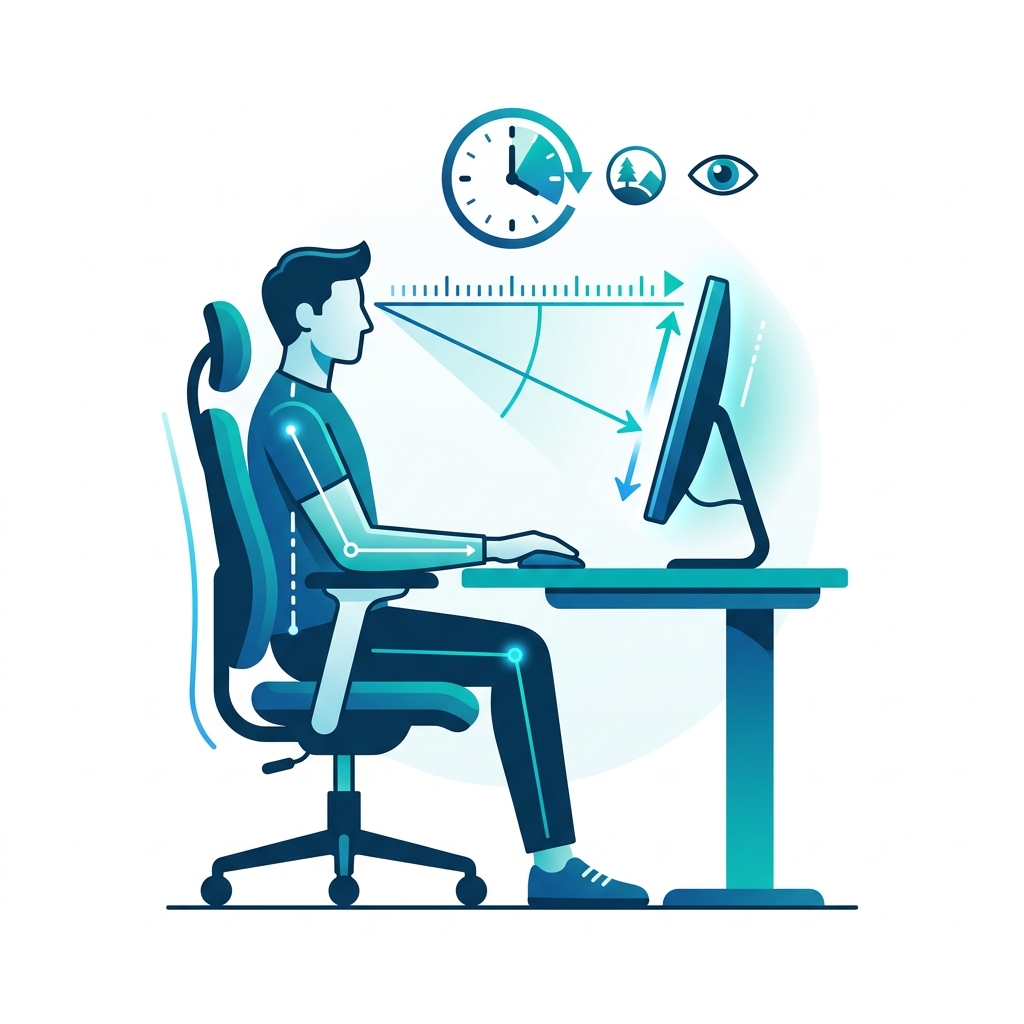
Guidelines for Healthy Vision
Understanding warning signs and daily eye habits can prevent permanent vision damage. Browse our structured clinical tips curated by Dr. M.M. Idariya.
Computer Vision Syndrome (CVS)
Working on screens reduces our natural blink rate from 15 blinks per minute to just 5. This causes rapid tear evaporation, leading to dry eyes, headaches, fatigue, and blurry vision.
Actionable Screen Tips:
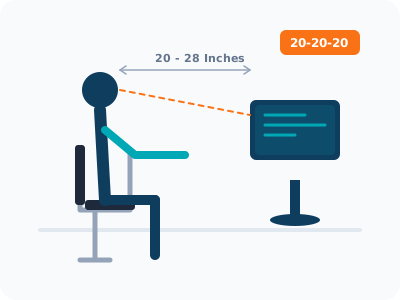
- The 20-20-20 Rule: Every 20 minutes, look at an object 20 feet away for at least 20 seconds to relax your eye's focusing muscles.
- Screen Level: Position your screen about 4 to 5 inches below eye level and 20 to 28 inches from your face.
- Blink Consciously: Remind yourself to blink regularly to spread fresh tear films across the cornea.
Diabetes & Your Eyes
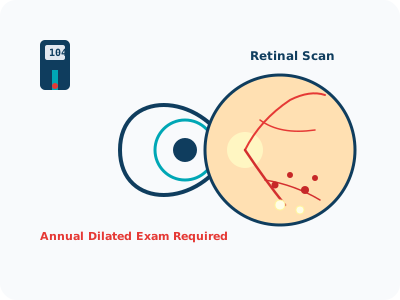
Chronic high blood sugar damages the micro-vessels in the retina, leading to leakage or bleeding. This is called **Diabetic Retinopathy** and is often completely asymptomatic in its early stages, causing no pain or vision shifts until severe damage has occurred.
Retinal Care Guide:
- Annual Dilated Exams: If you are diabetic, schedule a dilated retinal exam with Dr. Idariya at least once a year.
- Control Blood Sugar: Maintain stable HbA1c levels, blood pressure, and cholesterol to slow the progression of retinal disease.
- Watch for Spots: Seek immediate medical attention if you notice a sudden increase in floaters or dark spots in your vision.
Pediatric Eye Care & Squint
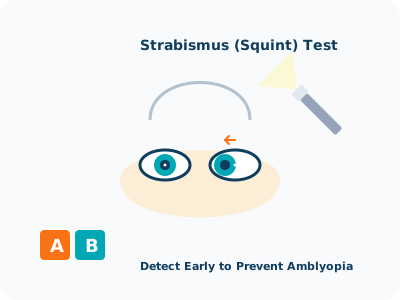
Children often do not realize they have poor vision because they assume everyone sees the way they do. Uncorrected refractive errors in one eye can lead to **Amblyopia (Lazy Eye)**, where the brain ignores signals from the weaker eye, causing permanent vision deficits.
Squint & Refraction warning signs:
- Squint / Strabismus: A child's eyes should align by age 4 months. If an eye turns in or out, seek evaluation immediately.
- Behavioral Clues: Watch if your child sits too close to the TV, rubs their eyes frequently, squints, or tilts their head to read.
- Early Screenings: Pediatric eye checks are recommended at age 3 and before starting primary school.
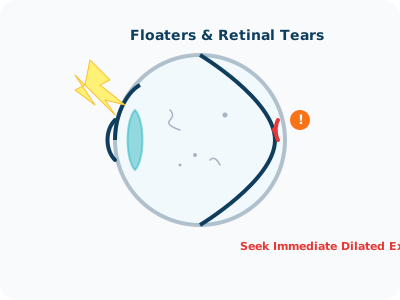
Floaters, Flashes & Tears
Tiny specks, threads, or cobwebs moving across your visual field are called **floaters**. They are usually harmless clumps of protein inside the vitreous gel. However, a sudden shower of new floaters, accompanied by flashes of light, can indicate a retinal tear or detachment.
Emergency Symptoms:
- Sudden Light Flashes: Seeing brief flashes of light, especially in dark environments.
- Shower of Floaters: A sudden increase in the size or quantity of visual floaters.
- Curtain Effect: A dark shadow or curtain-like barrier spreading across your field of vision. Seek immediate care to prevent permanent sight loss.